CAMERA TRACKING
33 points on the body
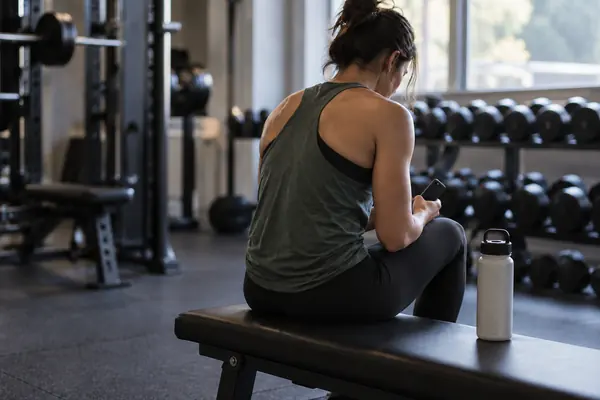
Pose-tracking models find 33 landmarks such as shoulders, hips and ankles in each video frame, fast enough to run on a phone. That is how apps count squats and push-ups.
How it works aiprotrainer
WHAT THE RESEARCH SAYS
AI can count your squats. Can it plan your week?
Check an activity
CHECK THE PLANagainst the guidelines
Fitness apps now watch your movements through a phone camera, and chatbots will write a workout plan in seconds. Researchers have started checking how complete those plans are, and the answer is useful to know before you follow one.
Updated
THE SHORT ANSWER
AI fitness tools do two different jobs.
One watches movement; the other writes plans.
CAMERA TRACKING
Pose-tracking models find 33 landmarks such as shoulders, hips and ankles in each video frame, fast enough to run on a phone. That is how apps count squats and push-ups.
How it worksCHATBOT PLANS
A 2024 study graded chatbot exercise plans: what they said was mostly accurate, but they left out much of what a full plan should cover, such as intensity and progression.
See the numbersTHE YARDSTICK
NHS guidance for adults is 150 minutes of moderate activity or 75 minutes of vigorous activity a week, plus strengthening on at least 2 days. Any plan can be checked against that.
Check an activityA QUICK INTENSITY CHECK
AI-made plans use words like moderate, vigorous and HIIT. Pick an activity to see where the NHS puts it. The bar shows intensity.
Based on the NHS physical activity guidelines for adults aged 19 to 64. This is general information, not personal medical or fitness advice.
TWO NUMBERS WORTH KNOWING
From a 2024 study that graded chatbot exercise plans
for 26 health conditions against a gold-standard checklist.
≈ 41%
Expected plan content the chatbot covered
Researchers scored plans across ten categories, including frequency, intensity, time, type, volume and progression. The chatbot covered 107 of 260 expected items (41.2%).
COMPLETENESS · JMIR MED EDUC 2024
≈ 91%
Statements that were factually accurate
Of the content it did give, 146 of 161 items (90.7%) were accurate. The plans were written at college reading level, well above what health writing usually aims for.
ACCURACY · JMIR MED EDUC 2024
A related University of Connecticut analysis of 219 popular exercise apps found that only 0.5% gave evidence-based recommendations for people with heart disease risk factors, and 64.8% focused on body image or athletic performance rather than health.

FOUR CHECKS BEFORE YOU FOLLOW A PLAN
None of this needs expertise. It is about comparing what an app or chatbot gives you with the public guidelines it should match.
Does the week reach 150 minutes of moderate or 75 minutes of vigorous activity, or a mix of the two?
The NHS asks for strengthening that works all major muscle groups on at least 2 days, on top of the aerobic minutes.
The study found chatbot plans often skipped intensity, time and progression. If those are missing, the plan is only half written.
Pose tracking works from what the camera sees. Limbs hidden behind the body or furniture are harder for it to place.
HOW CAMERA TRACKING WORKS
Google's BlazePose research describes a two-step pipeline: a detector first finds the person in the frame, then a tracker places 33 body landmarks, each with an x and y position and a visibility score. The older standard set has 17 points; the extra ones on hands and feet help with fitness and dance.
The researchers say fitness poses are hard to track because of the huge variety of positions, limbs hidden from the camera and different clothing. Their example apps count squats and push-ups by comparing the tracked pose with known poses.
Questions
A 2024 study found chatbot exercise plans were about 91% accurate in what they said but covered only about 41% of what a complete plan should include, such as intensity, time and progression. The authors advised caution about relying on them alone.
Pose-tracking models such as BlazePose locate 33 landmarks on the body in each video frame, including shoulders, elbows, hips, knees and ankles. Apps then compare those positions with known poses to count repetitions.
NHS guidance for adults aged 19 to 64 is at least 150 minutes of moderate activity or 75 minutes of vigorous activity a week, strengthening activities on at least 2 days, and less time sitting still.
The NHS says to speak to your GP first if you have not exercised for some time, or if you have medical conditions or concerns, and to make sure the activity suits your fitness.
Under UK data protection law, data concerning health is a special category of personal data, which the Information Commissioner's Office says organisations need to identify and handle carefully.
ABOUT THIS NAME
aiprotrainer.com is part of the DoodleSale portfolio. It isn't in an auction right now, but you can ask about leasing it.